
Trauma-Informed Therapy for First Responders

Confidential, evidence-based care for PTSD, trauma, and operational stress injuries

First responders carry the weight of repeated exposure to crisis, trauma, and human suffering, often while being expected to stay composed, decisive, and resilient. At Peace of Mind CBT, we provide specialized, trauma-informed psychotherapy designed specifically for first responders, recognizing the unique psychological demands of the work and the culture of service, loyalty, and duty that surrounds it.
First responder trauma is rarely the result of a single event. More often, it develops through cumulative exposure, critical incidents layered over years of service.
Understanding Trauma in First Responders
First responder PTSD and complex PTSD
Vicarious trauma from repeated exposure to others’ suffering
Operational stress injuries
Compassion fatigue and burnout
Moral injury and cumulative stress
Common Forms of Trauma We See


Signs of PTSD and Trauma in First Responders
-
Hypervigilance, irritability, or emotional numbness
Intrusive memories, nightmares, or flashbacks
Difficulty concentrating or making decisions
Guilt, shame, or emotional withdrawal
-
Sleep disruption and chronic exhaustion
Increased alcohol or substance use
Avoidance of reminders, calls, or situations
Strain in relationships at home or work
How Do First Responders Deal With Trauma?
Many first responders cope by pushing through, compartmentalizing, or minimizing symptoms, strategies that can be effective in the short term but often contribute to long-term emotional and psychological distress. Therapy provides a structured and confidential space to safely process critical incidents, reduce the intensity of trauma responses, build practical coping skills, restore balance between work and personal life, and strengthen long-term resilience.

Specialized Trauma Therapy for First Responders at Peace of Mind CBT

Cognitive Behaviour Therapy (CBT)
Cognitive Processing Therapy (CPT)
Prolonged Exposure Therapy (PE)
EMDR (where clinically appropriate)
Skills based on resilience-focused interventions
Our clinicians use evidence-based, trauma-informed approaches proven to support recovery in high-stress professions.
Critical Incident Stress Management (CISM) & Crisis Support
In addition to ongoing therapy, we integrate principles aligned with Critical Incident Stress Management (CISM) when appropriate. This approach may include psychological first aid, immediate stabilization following critical incidents, education that normalizes common trauma responses, and support aimed at helping individuals return to baseline functioning. When needed, referrals for longer-term trauma therapy are also provided. This structured, compassionate framework helps reduce isolation, normalize reactions, and support both short- and long-term recovery.

Peace of Mind CBT is uniquely equipped to support first responders because our care is grounded in extensive experience working with emergency service professionals and a deep understanding of first responder culture. We provide trauma-informed, evidence-based therapy that focuses on practical skills, emotional processing, and sustainable resilience, all within a safe, confidential, and non-judgmental environment where you can speak openly and be fully understood.
As a First Responder, Why Should You Choose Peace of Mind CBT ?
We understand the importance of discretion in first responder care.
What You Can Expect
Strict confidentiality
No judgment or pressure
Flexible scheduling
Therapy That Respects Confidentiality & Trust
Virtual and in-person therapy options
A therapist who understands first responder realities
Peer Support Programs for First Responders
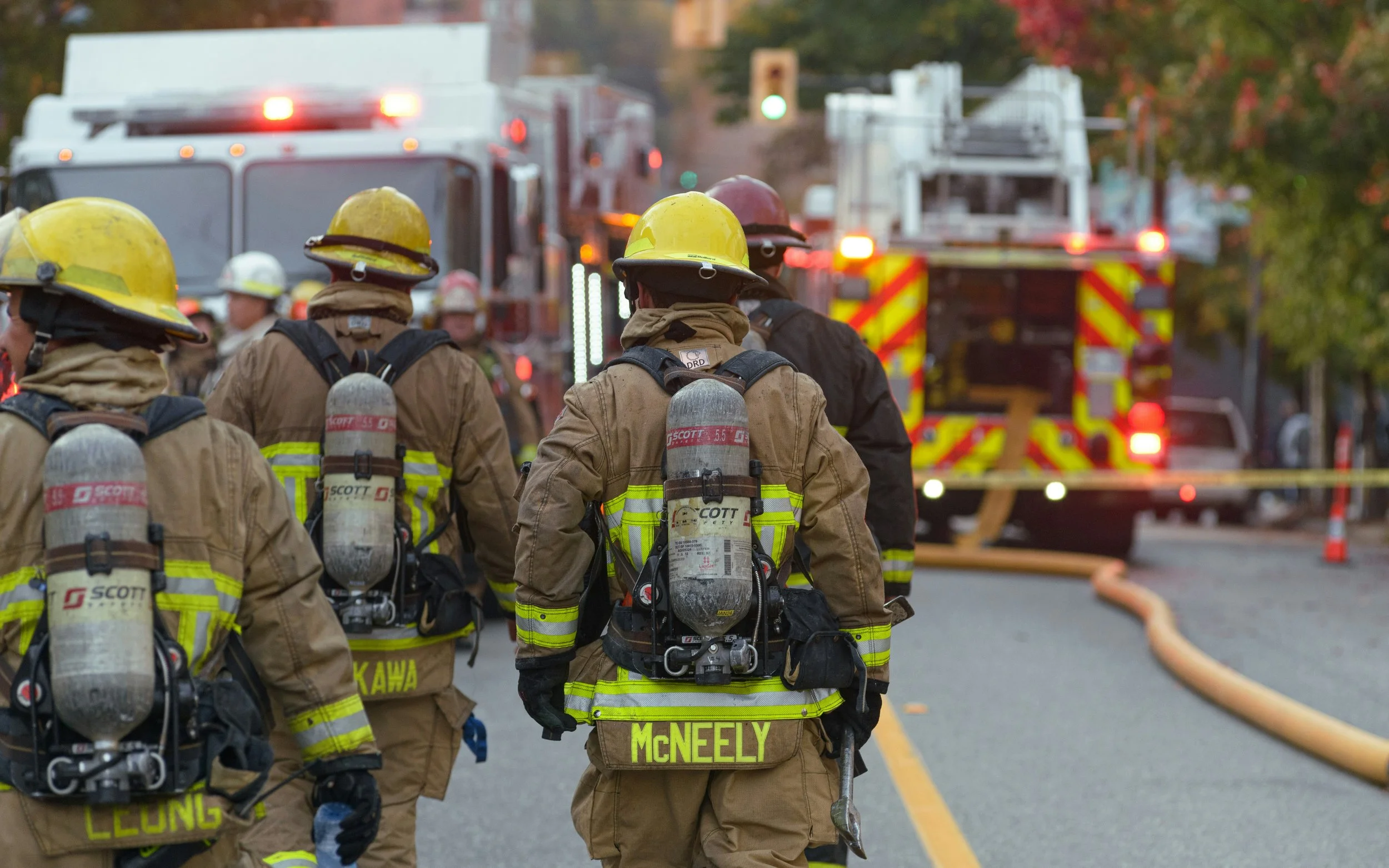
At Peace of Mind CBT, we specialize in developing and supporting peer support programs tailored to the unique culture of first responder organizations, including police, fire, paramedic, and communications services.
Our approach goes beyond traditional mental health support. We work collaboratively with leadership teams to design sustainable, evidence-informed peer support models that strengthen psychological resilience across the entire organization.
We offer:
Peer Support Team Development & Recruitment
Psychological Screening & Vetting of Peer Members
Training in Trauma-Informed Communication & Support
Ongoing Clinical Consultation & Case Support
Critical Incident Response & Debriefing
Program Evaluation & Sustainability Planning
Our programs are grounded in real-world experience working alongside first responders and are aligned with best practices in trauma-informed care, psychological safety, and occupational mental health.
We believe peer support is not just a program — it is a cultural shift toward connection, trust, and long-term wellness.

Peer Support Clinical Leadership & Critical Incident Support
Peace of Mind CBT provides specialized peer support clinical leadership and Critical Incident Stress Debriefing for first responder organizations across Ontario. These services are offered on an as-needed basis following significant or unexpected events and are designed to support both individuals and teams during periods of heightened operational stress.
Led by Alison Pereira, MA, RP, a trauma-informed clinician with over 25 years of experience working alongside police, paramedic, and fire services, this work is grounded in deep cultural understanding, trust, and respect for first responder realities.
What This Support Provides:
Clinical Oversight for Peer Support Programs
Alison offers leadership, consultation, and ethical oversight to help peer support teams remain effective, psychologically safe, and aligned with best practices. This includes guidance on confidentiality, role boundaries, and decision-making in complex situations.
Peer Support Team Development & Protection
Support includes screening and onboarding guidance for peer members, training and supervision, and ongoing consultation to prevent burnout, compassion fatigue, and secondary trauma within peer teams themselves.
Critical Incident Stress Debriefing (CISD)
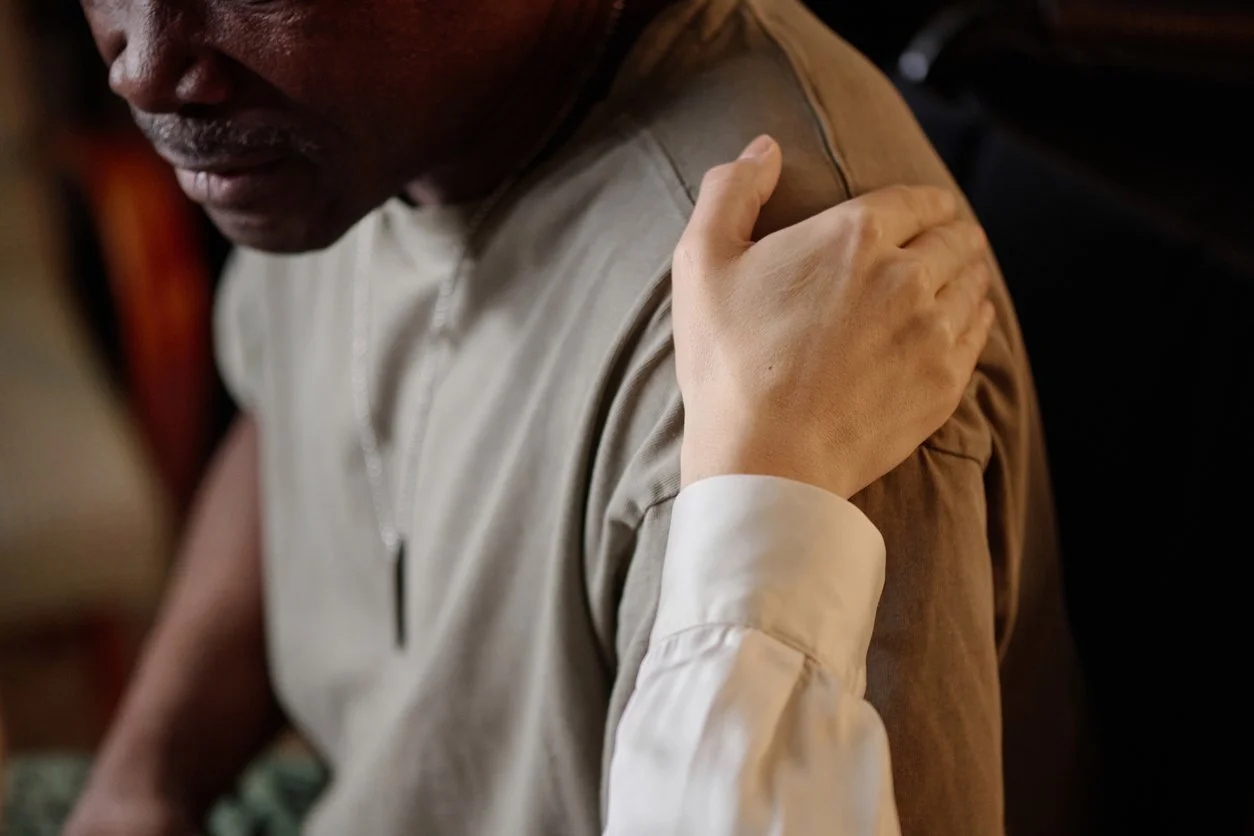
Following high-impact events such as pediatric fatalities, violent or multi-casualty incidents, suicides, or member-involved injuries, structured, non-therapeutic debriefings are provided to support stabilization, normalize reactions, and reduce psychological risk.
Culturally Aligned, Confidential Care
All services are trauma-informed, confidential, and designed to complement existing organizational and peer support structures—not replace them. The focus is early support, stabilization, and prevention of OSI/PTSI before trauma becomes injury.
Built on Trust, Experience, and First Responder Insight
With extensive clinical experience supporting Halton Region Paramedic Services and other emergency service professionals, Alison brings both clinical expertise and real-world insight into operational stress, peer dynamics, and the long-term impact of cumulative trauma.
Protecting dignity, privacy, and psychological safety is foundational to this work, and all services comply with PHIPA, CRPO standards, and professional ethical guidelines.
Supporting Families of First Responders
Behind every first responder is a family navigating the unique emotional and psychological impact of the profession.
At Peace of Mind CBT, we recognize that trauma, shift work, and occupational stress do not stay at work — they affect relationships, communication, and family well-being.
We provide specialized support for spouses, partners, and children of first responders, helping families:
Understand trauma and its impact on behavior and relationships
Improve communication and emotional connection
Navigate stress, anxiety, and role strain
Build resilience as a family unit
Support their loved one without losing themselves
Our approach is compassionate, practical, and grounded in the realities of first responder life.
We also offer family-focused workshops, education sessions, and community events to strengthen support systems beyond the therapy room.
Because when families are supported, first responders are stronger.

Your Questions Answered About First Responder Trauma-Informed Therapy
-
Yes. Therapy is confidential and protected by professional and legal standards.
-
No. Many clients begin therapy for stress, burnout, or trauma symptoms before any formal diagnosis.
-
Absolutely. Therapy is designed to support functioning—not remove you from your role unless necessary.
-
Many individuals’ extended health insurance plans cover psychotherapy services. Peace of Mind CBT offers direct billing through Telus Health, which is also available with some extended health insurance providers, such as Manulife, Greenshield, and CanadaLife. Please inquire before your therapy sessions.
-
Yes. Virtual therapy can be highly effective and offers added privacy and flexibility.
-
We offer flexible pricing based on project type and complexity. After an initial conversation, we’ll provide a transparent quote with no hidden costs.
-
Collaborative, honest, and straightforward. We're here to guide the process, bring ideas to the table, and keep things moving.
-
Yes. Peace of Mind CBT is an approved WSIB provider and offers evidence-based therapy for workplace-related psychological injuries, including trauma, anxiety, and stress. Services can be coordinated within WSIB guidelines, and required documentation is provided to support your claim and recovery plan.

Seeking support is not a sign of weakness; it’s a professional investment in your health, longevity, and ability to continue serving.
If you’re a first responder looking for confidential, trauma-informed therapy, Peace of Mind CBT is here to support you.